Quick, sourced updates on useful free tools and changes to their free plans. Every story separates what the maker says from what we have actually tested.
Google Flow's new tools include Pocket Studio for multiple camera angles and Character Arc for aging a character. Free users can run pre-built tools, but generated media uses credits and custom tools need a paid plan.
Google is rolling out Gemini 4 Hydrogen to free users through Auto. Most prompts still use Flash-Lite. Manual selection needs a paid Google AI plan, and free access has compute limits.
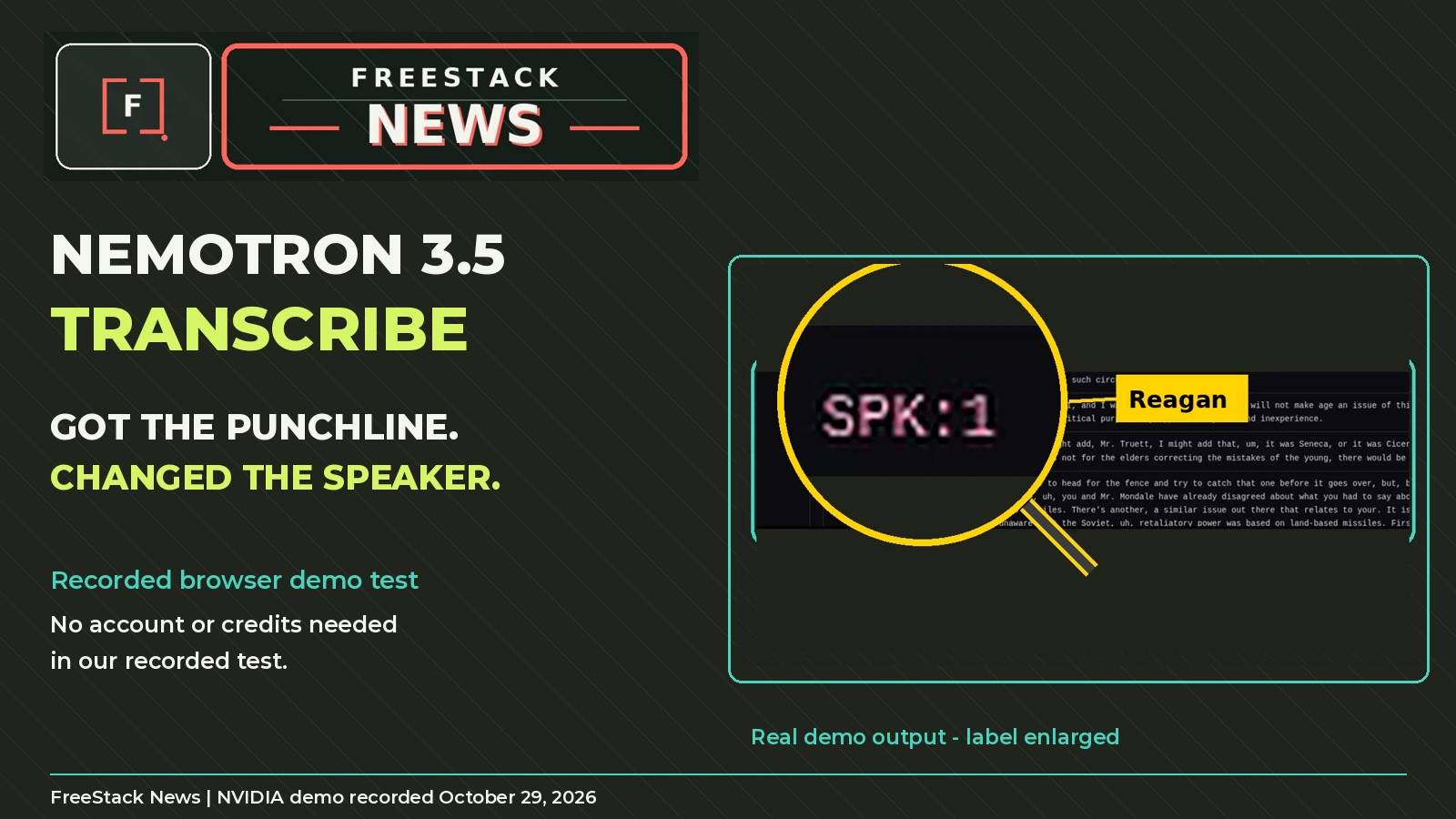
NVIDIA's new speech model transcribes, translates and labels speakers. Our recorded Reagan-Mondale debate test caught a speaker-label change on Reagan's continuation.
HeyGen Voice Turbo Free turns text into speech without a card or credit balance through November 30, 2026. Shared capacity and free-plan output rights are the catches.
A new Open Eyes Quick Action in Lightroom on mobile detects a blink and generates a fix in one tap, using your other photos of that person to match their real eyes. Free app users get two tries before a subscribe prompt.
Anthropic's new standalone app turns Claude into a proactive agent: it briefs you each morning, watches your connected apps, and finishes tasks in the background. For now it is US Pro and Max subscribers via a waitlist.
Higgsfield launched Marketing Studio: paste a product link and it generates UGC videos, product shots, ads and posters with every layer editable, while its Supercomputer agent runs whole campaigns. Free to try; official visuals, not tested.
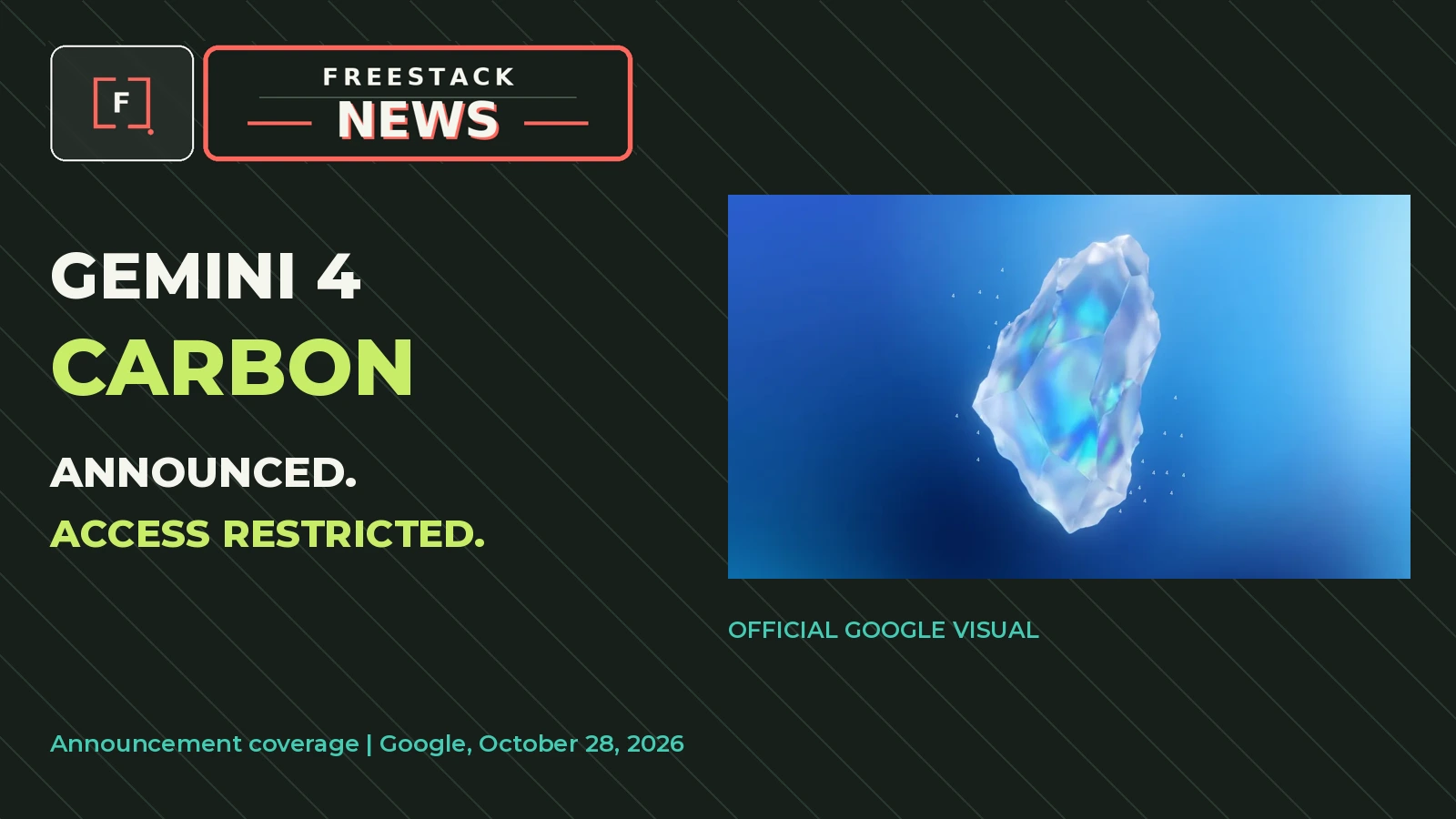
Google expands Gemini 4 Argon beyond restricted access. Most users need Pro, Ultra or the paid API. Selected scientists can apply for six months of free Antigravity access. Introductory API prices expire on November 30.
The X Subscription adds daily Grok and a limited starter allowance for Cursor coding agents at $0. Paid tiers add shared Grok usage, while Claude and GPT cost extra.
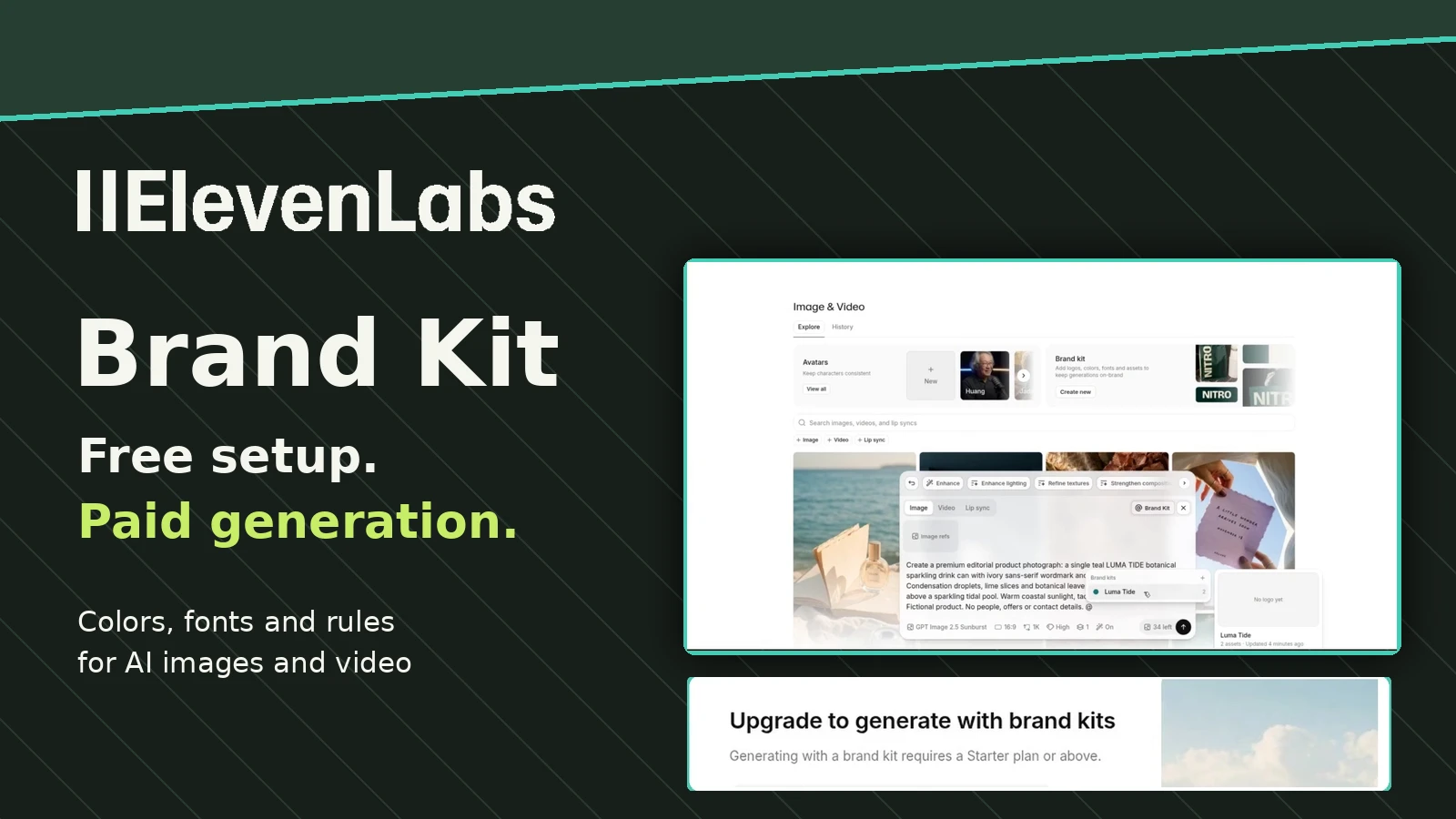
Brand Kit keeps colors, fonts and visual rules in one place. Our Free account built a fictional drink kit, but generation with it required Starter or above.
Accepted open-source projects can get periodic scans at no cost. AI reports arrive without human review and may be wrong. Core maintainers apply through GitHub.
Google launched Nano Banana 2.1 on October 6. It says the model improves image design and editing. Free access to this model in Flow is not yet confirmed.
Google launched Playground October 7 for US adults. Playing is free. Free game creation has a waitlist and weekly limits; Google One AI gives immediate creation access.
Intelligent UI adds interactive diagrams, charts, forms and small tools to ChatGPT. OpenAI says Free and Go access starts October 8 with the smaller Luna model.
ArtCraft has seven free, open-source creative apps. We made a brief PhotoCraft and FilmCraft check. The apps are early alpha; optional AI-generation credits cost extra.
OpenAI documents Space as a home for shared pages and files. It replaces Library, leaves Projects alone, and is limited to eligible Pro, Business and Enterprise accounts.
Canvas lets Shopify merchants work with Sidekick across their store pages, with real theme-code changes and interactive previews. Rollout started October 1; this is launch coverage, not a hands-on test.
Google announced Gemini 4 Argon on September 30. It says the model can find, validate and patch software vulnerabilities. Access starts with trusted cyber defenders; broader release has no announced date.
Instagram’s Edits assistant can analyze account performance and suggest what to make next. The September 30 rollout starts in the US, with a daily limit on free prompts.
Coderblock says it builds full-stack web apps from prompts. Its rendered free Community plan shows 20 lifetime credits and two projects. We have not tested the generated apps.
We tested OpenRouter's anonymous Space Bunny Alpha on a one-file browser game. The first build crashed on START; one repair request produced a playable version in our recorded test.
ElevenLabs has launched v4 and v4 Turbo with inline voice directions. FreeStack tried two tags: one barely changed the line to our ears, while a later whisper test did.
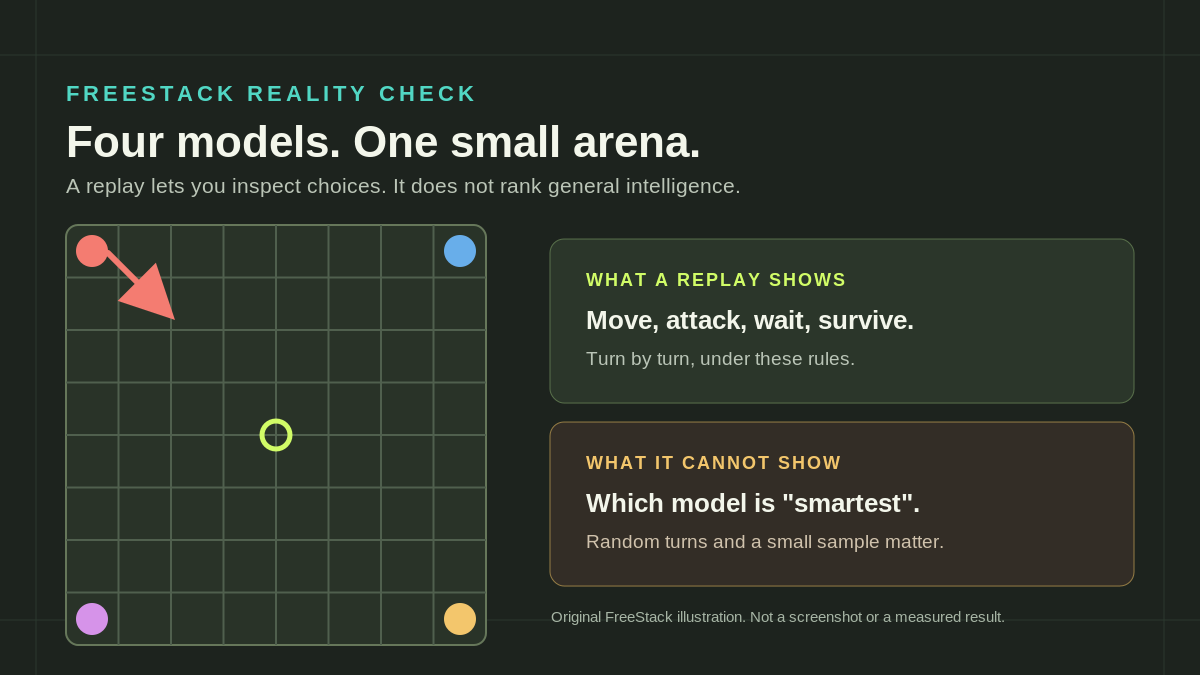
Four AI models fight on an 8x8 board, and you can replay every turn. The leaderboard is fun to inspect, but it cannot tell you which model is generally smarter.